An angel shot is a coded drink order. A guest uses it to tell your staff, without saying it out loud, that they feel unsafe and need help. Many bar and restaurant owners have never heard the term until a guest or an employee says it to them. When that moment comes, not knowing how to respond can leave someone in serious danger.
The threat might be an aggressive date, a stranger who won't take no for an answer, or a situation that's starting to escalate. Ordering an angel shot lets a guest ask for help before it goes further. Your response can protect that person from harassment, an unsafe encounter, or worse.
The good news: an angel shot system costs nothing to run. Any venue that serves alcohol can set one up with simple signage and a short staff training. This guide covers what an angel shot is, how your team should respond, and how to build one in your own bar or restaurant.
This article is for informational purposes only and does not constitute legal or HR advice. Consult legal counsel or an HR professional before formalizing an angel shot policy, staff training requirements, or documentation practices.
TL;DR
An angel shot is a coded drink order a guest uses to signal your staff, without saying so aloud, that they feel unsafe and need help.
It isn't a literal cocktail — bartenders pour something ordinary-looking with no alcohol, so the order draws no attention.
The three common types each signal a different action: neat (walk the guest to their car), on the rocks (call a taxi or rideshare), or with lime (call the police for immediate danger).
Staff should treat every request as genuine, alert another team member, and stay with the guest until help arrives.
You can set up a system for free with discreet restroom signage and a short staff training that covers your whole team.
What Is an Angel Shot?
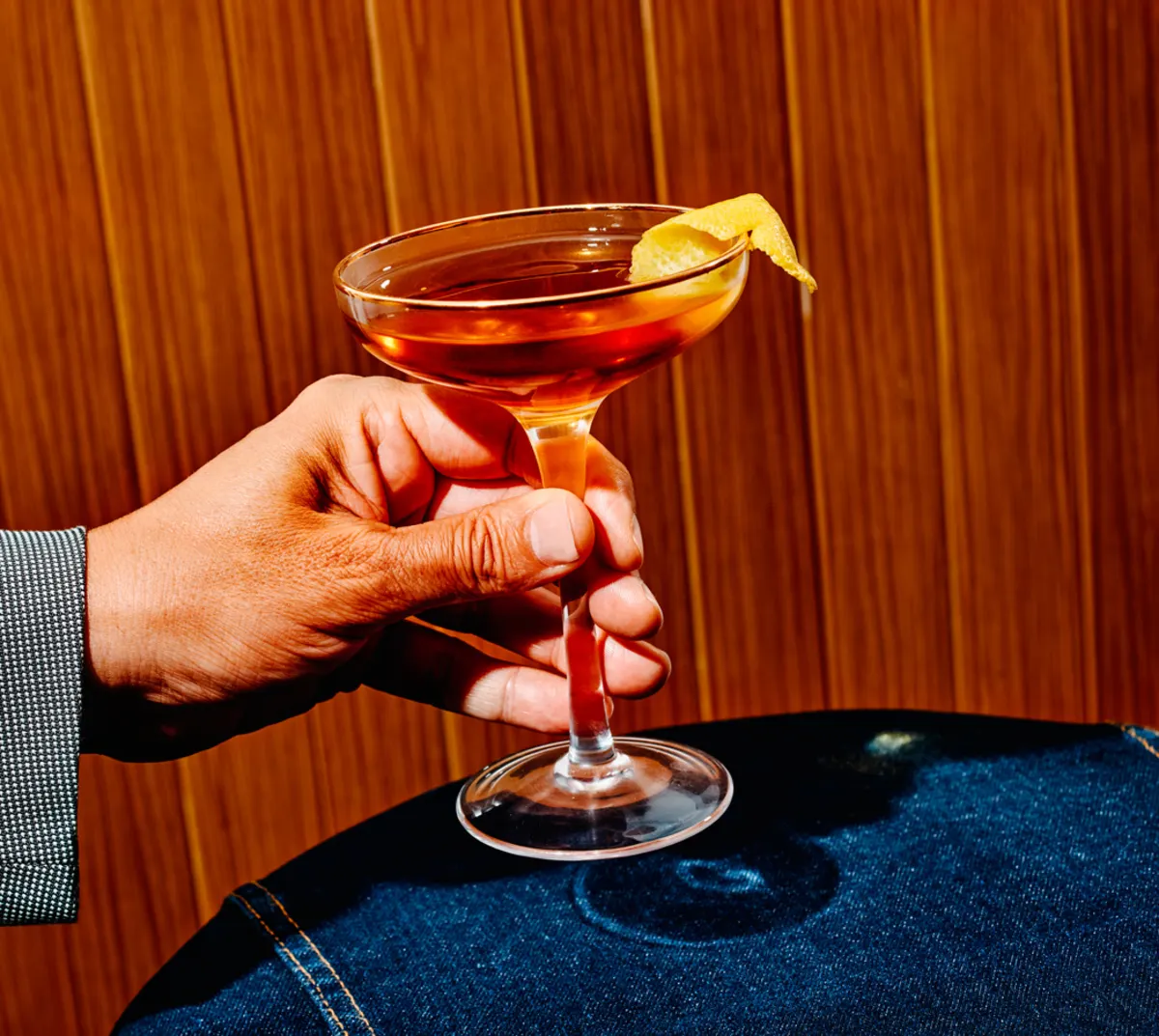
Reading a room clearly is an important part of a bartender’s job, so when a guest orders an angel shot, the bartender should pour something ordinary-looking, usually water, soda, or a simple mocktail with no alcohol. It looks like every other order at the bar, which is exactly why it works. There's no fixed recipe or set list of ingredients, because the drink itself does nothing. It's a cover for the request underneath it.
A guest who feels unsafe can use that cover to ask for help in plain sight, while the person making them uncomfortable notices nothing. Staff treat the angel shot as a secret code: order one, and they know to step in.
Where Did the Angel Shot Come From? ("Ask for Angela")
The idea started in the United Kingdom with a public safety campaign called "Ask for Angela." Guests who felt unsafe on a date or in a venue could go to the bar and ask staff for "Angela," a code name that told employees the guest needed help leaving the situation safely. Staff would then step in discreetly, whether that meant calling a taxi or separating the guest from someone bothering them. The campaign grew as a response to sexual harassment in bars and nightlife.
The concept spread to bars and restaurants in the United States, where it took on the name "angel shot." The format shifted from asking for a person to ordering a drink, but the goal stayed the same: give guests a low-key way to signal for help.
Who Can Order an Angel Shot?
Anyone can order an angel shot. The tool often comes up in the context of women on bad dates, but it was never meant for one group. Any guest who feels unsafe can use it, regardless of gender, age, or who they came in with.
The threat looks different from person to person. A man might be cornered by someone who won't leave him alone. A guest might arrive for a first meeting from online dating and realize within minutes that something feels off. Someone could be followed in by a stranger, pressured by a group, or stuck with a date turning aggressive. The angel shot covers all of it, from mild discomfort to immediate danger.
The Types of Angel Shots and What Each One Means
Most bars use three versions of the angel shot. Each one tells staff how much help the guest needs, from a simple walk to the parking lot up to calling the police.
Order | What the guest is signaling | What staff should do |
|---|---|---|
Angel shot neat (or straight up) | I want to leave safely | Escort the guest to their car, or have a bouncer walk them out |
Angel shot on ice (on the rocks) | I need a ride | Call an Uber, taxi, or other rideshare vehicle for the guest |
Angel shot with lime (angel shot with a twist) | I'm in immediate danger | Call the police right away |
Despite the names, none of the three has a recipe. Neat, on ice, and with lime describe what the guest needs, not what goes in the glass. A bartender can pour water for all three; in this case, it’s better the drink be non-alcoholic. The liquid is a prop, and the words are the instruction.
How Should Staff Respond When Someone Orders One?
When a guest orders an angel shot, your staff has one job: get them help without anyone else noticing. The bartender should keep a neutral expression, respond as they would to any drink order, and begin quietly arranging the right kind of assistance.
Train your staff to follow a clear sequence:
Treat it like a normal order. Reach for a glass and go through the motions of making a drink. Nothing in the bartender's reaction should tip off the person nearby.
Bring in another staff member. A manager, bouncer, or fellow bartender should know what's happening, so no one manages the situation alone. Agree on a discreet signal in advance.
Confirm the level of help needed. If the request wasn't specific, a single quiet question is enough, such as whether the guest would like a ride arranged. They shouldn't have to describe what's wrong.
Respond to the request. Depending on what the guest signaled, walk them to their car, arrange an Uber or another rideshare vehicle, or call the police if they're in immediate danger.
Stay with the guest until they're safe. No one should be left alone with the person troubling them. Keep the guest near the bar or with a staff member until help arrives.
Take every request seriously, even when the guest seems relaxed or brushes it off as a joke. And never ask them to repeat themselves or explain why they feel unsafe. Reaching out for help in a crowded room is already difficult enough.

How to Set Up an Angel Shot System at Your Bar or Restaurant
Setting up an angel shot program takes an afternoon, not a budget. You need three things:
A place for guests to learn the code
A team trained to respond
A default drink to pour
Creating Discreet Signage
Teach guests the code with a sign in the restroom. Place a small framed card in each stall or over the sink, with the code and the options laid out in plain language.
Keep a few things in mind:
Every restroom, not just the women's restroom. Men and non-binary guests can be targets too.
Findable, but not obvious. The guest who needs it should spot it easily.
Using your own code words? You can, as long as you’re clear about what they are. Most bars stick with the standard angel shot, since people may already know it.
When training your staff, remember: everyone on the floor should know the code and the plan, not only the bartenders. That includes servers, hosts, bouncers, and managers. Run a short role-play so each person feels comfortable enough to enforce these safety measures with confidence.
Why Guest Safety Builds Trust Beyond the Bar
Guests notice how you treat them, especially when they’re feeling uncomfortable. A guest your staff helped through an unsafe situation walks away with a strong impression of your bar. That impression stays with them, and it changes what they tell other people about your place.
Much of that happens where new customers can see it. People often mention how a business treated them in their reviews, and many guests look for a safe environment when they choose where to go. A bar known for looking after its guests has an edge over one that only lists its hours and menu.
Guests remember being kept safe, and that trust brings them back. Regulars keep coming back to a place they trust, and new guests reading those reviews are more likely to give you a try — which means fewer one-time visits and more repeat business for you.
Build Trust with New Guests Through DoorDash Marketplace
Trust starts before a guest walks in. New customers check your hours, look at your photos, and read how yourespond to reviews to get a sense of your bar. Keeping your DoorDash Marketplace listing accurate and current makes that first impression a good one. Over 55% of first-time orders at new restaurants on DoorDash come from guests who were browsing, not searching for a specific spot (based on internal DoorDash data from Jan 2025 through Dec 2025) — so a strong, accurate listing is often what gets you chosen in that moment.
Get Started with DoorDash Marketplace