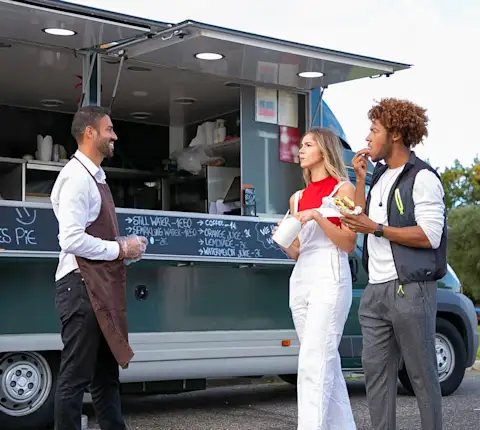
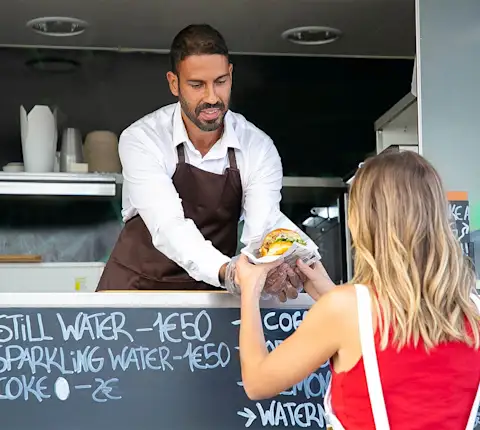
Your space is ready. The menu is set, the staff is hired, and your grand opening is only a few weeks away. But nothing has been tested in front of paying customers yet. That's what a soft opening is for.
A soft opening, sometimes called a soft launch, is a trial run before you open for good. This guide covers how to plan a restaurant soft opening from start to finish: the staff, the kitchen, the menu, and something a lot of guides leave out: your online ordering and delivery setup.
TL;DR
A soft opening is a limited, often invite-only trial run before your grand opening, where real guests place real orders so you can test the kitchen, staff, and ordering systems at lower stakes.
Most soft openings run anywhere from a few days to a few weeks, depending on how much still needs testing.
The two things to test hardest are your kitchen under real ticket volume and your online ordering and delivery setup before it has to work live.
Invite a mix of honest voices and people you want to build a relationship with, then collect structured feedback instead of polite compliments.
A step-by-step plan, a checklist, and common mistakes to avoid all follow below.
What Is a Soft Opening for a Restaurant?
A soft opening is a limited trial run before the grand opening of your restaurant. You open your doors to a smaller crowd, often by invitation only, and let guests order from a scaled-back menu. Your kitchen and staff get to work a real service, but without a full dining room counting on them.
Because guests are paying and expect a normal meal, you see how the kitchen handles a steady flow of tickets and how your servers move through the room. And if something goes wrong, it's early enough to fix. Better to sort out the slow ticket times or the dish that keeps coming back now, while the crowd is small and forgiving.
Soft Opening vs. Grand Opening: What's the Difference?
A soft opening and a grand opening sit at two ends of the same launch. One is a rehearsal. The other is the show. They differ in who you invite, how much of the menu you run, and how hard you promote it. You might also see a grand opening called a hard opening; either way, it's your full public launch.
Soft Opening | Grand Opening | |
|---|---|---|
Goal | Test and fix before you're fully public | Announce you're open and draw a crowd |
Guest list | Small and often invite-only | Open to everyone |
Menu | Limited, so the kitchen can focus | Full menu |
Promotion | Low-key, little to no advertising | Heavily promoted |
Stakes | Low, mistakes are expected | High, first impressions stick |
You do the soft opening first to catch what needs fixing, then the grand opening once it's sorted. Once you've fixed what the trial run turned up, the grand opening is your moment to go loud and bring in as many people as you can.
Why Restaurants Do a Soft Opening
Planning a soft opening takes time and pulls your staff away from other prep. But the trade is a good one. It catches the kind of problems that are hard to undo once you're fully open, like a slow kitchen or a bad first review.
Test Your Kitchen and Staff Under Real Conditions
A practice run can't show you what a full rush will. Once the tickets are coming in fast, you find out which dishes take longer than they should and where the line backs up. Catching that with a small crowd is a lot cheaper than catching it on a packed Friday night.
Get Honest Feedback Before You're Fully Public
With a small crowd, you can walk the room, talk to people, and ask what they thought. If a dish missed or the wait ran long, they'll tell you. And you've still got time to fix it before a bigger crowd shows up.
Build Buzz and a Base of Loyal Early Customers
People like being invited to something before everyone else. A lot of your soft opening guests will tell their friends about you before you're even fully open, and they'll be the first ones back once you are. A few posts on social media from those early guests, or a mention from local influencers you invited, can build anticipation before your grand opening.
Catch Problems Before They Show Up in Your Reviews
A bad review can sit on your listing for years. The soft opening is your chance to catch the problems that cause them, like a long wait or a plate sent back to the kitchen.
How Long Should a Soft Opening Last?
Most soft openings run anywhere from a few days to a few weeks. The right length comes down to how much you still need to test and how fast you can fix what turns up.
If it's mostly the kitchen and a short menu, a few nights might be enough. If you're breaking in a big staff, a large menu, and a delivery setup all at once, give yourself closer to two or three weeks. That way you can make changes between services and check that they worked before the next crowd comes in.
One thing to watch: don't wait too long between your soft opening and your grand opening. The early buzz from those first guests fades over time, and a long delay wastes the momentum they built for you.
How to Plan a Soft Opening: Step-by-Step
To execute a good soft opening, you need a plan. A clear soft launch strategy comes down to knowing what to test and in what order.
Step 1: Decide What You're Testing
Write it down and share it with your team, so everyone knows what to watch for during the service. This is also a good moment to align on service basics — dress code, how to talk about new dishes, and who's covering what section — so the whole team walks in on the same page.
Step 2: Build Your Guest List
Aim for a mix of people. Invite the ones who'll be straight with you, like friends in the industry or regulars from a past job, along with people you'd like to know, like local press, local influencers, community leaders, or other local business owners. The honest guests give you feedback you can use. The others help build word of mouth before you're open. Once your guest list is set, send your soft opening invitations early and ask each guest to RSVP, so you know how many invited guests to expect.
Also decide upfront whether guests will pay full price, get a discount, or receive a few complimentary items. Most restaurants still charge during a soft opening — but settling on your approach before you send invites means guests know what to expect, and your team knows what to ring up.
Step 3: Run a Limited Menu
Don't try to cook everything on night one. Run about half your menu so the kitchen can focus and cook those dishes well. Keep your signature dishes on that limited menu, since those are the ones guests came to try. It's easier to cook ten plates right than to rush through twenty, and you can add the rest once the core set is solid.
Step 4: Test Your Online Ordering and Delivery Setup
If you're going to offer delivery or pickup, test it now instead of on a paying customer. Place a test order yourself and follow it end-to-end — from your DoorDash Marketplace listing, to the order landing on your tablet, to the food going out the door. Then run a few more orders through your point-of-sale (POS) system and any mobile apps your team uses, so nothing breaks once real orders start coming in.
Step 5: Collect Structured Feedback
Don't rely on what people tell you on their way out the door. For customer feedback you can act on, put a short comment card or questionnaire on each table, or a QR code that opens a quick form, and ask about the food, the wait, the service, and your pricing. Most people will say "everything was great" to your face, but they'll write down what really bugged them.
Step 6: Debrief and Adjust Before the Grand Opening
After each service, sit down with your team while it's fresh. Talk through what went wrong and note what to change, from small menu tweaks to bigger operational changes, then track those changes so they're handled before you open the doors for good. A few short debriefs like these almost guarantee a smooth grand opening.
Soft Opening Checklist
Use this as your quick reference in the final stretch. Each item points back to something covered above, so you can run down the list without rereading the whole guide.
Confirm your guest list and send the invites
Set your limited menu
Prepare your feedback form or comment cards
Train your staff on how the night will run, including the dress code
Confirm your Marketplace listing and menu photos are set up and accurate
Set a time to debrief with the team after each service
Schedule a final review before the grand opening
Common Soft Opening Mistakes to Avoid
Even a well-planned soft opening can go sideways. Watch out for these common slip-ups:
Not inviting enough people. If the room is half-empty, the pressure is too low for your kitchen and staff to face the conditions you're trying to test.
Inviting only friendly faces. People who love you won't tell you what's wrong. Mix in guests who'll be straight with you.
Skipping the team debrief. If you don't talk through each service, the same problems carry into the next one.
Not testing online ordering. Test your delivery and pickup before opening. If something's wrong, you want to find it, not a customer.
Get Ready to Launch with DoorDash Marketplace
When you're ready to open for good, DoorDash Marketplace helps you connect with new customers.
From day one, you can reach customers who are already searching for somewhere to eat. You manage your listing in the Merchant Portal, where your menu photos and descriptions are yours to update whenever you need to.
Get your listing ready while you're still testing, so new customers can find you the moment you open.
Get Started with DoorDash Marketplace