Guests ask daily if your menu options suit their dietary restrictions and dietary needs. Front-of-house staff hear questions about food allergies, vegan dishes, and gluten-free items during every shift. Stumbling over an answer leads to a lost sale. In severe cases, an incorrect ingredient answer triggers allergic reactions.
Managing food restrictions doesn't require a complete redesign of your menu or kitchen. This guide breaks down common dietary restrictions, food allergen rules, and kitchen safety practices. You'll learn how to answer guest questions confidently, label ingredients accurately, and expand your customer base.
This article is for informational purposes only and doesn't constitute legal advice. Allergen disclosure requirements and food safety liability vary by state and locality. Consult your local health department or an attorney to confirm requirements for your restaurant.
TL;DR — Quick Answer
The U.S. Food and Drug Administration (FDA) regulates nine major allergens: milk, eggs, fish, shellfish, tree nuts, peanuts, wheat, soy, and sesame.
Guests follow varied dietary requirements, including a vegetarian diet, vegan diets, and religious dietary restrictions.
Kitchen staff must prevent cross-contact during food preparation by using separate tools and clean surfaces.
Menu item labels in the Merchant Portal let you tag dishes so DoorDash customers can filter for specific diets.
Training staff to answer ingredient questions correctly keeps guests safe and can help protect your business from liability.
What Are Dietary Restrictions?
A dietary restriction is any food a person avoids for medical, ethical, or religious reasons. Diners often search for a list of dietary restrictions or specific types of dietary restrictions before picking a restaurant.
It helps to know which restrictions carry the highest stakes. A food allergy is an immune system reaction, and even a trace amount can cause a severe response. A food intolerance affects digestion and causes discomfort, but it doesn't involve the immune system. Diet preferences, like vegan or keto, are choices rather than medical conditions. Treat every request seriously, but know that allergies leave zero room for error.
Vegetarian
Vegetarians avoid meat, including beef, poultry, and pork. A vegetarian diet focuses on plant foods like legumes, whole grains, and tofu for protein. Many vegetarians still consume dairy products and eggs, so clear labeling prevents confusion. Watch for hidden animal ingredients, like chicken stock in rice or fish sauce in dressings.
Vegan
Vegan diets exclude all animal products. Beyond avoiding meat and fish, vegans don't eat butter, whey, honey, or gelatin. Chefs use plant-based protein sources like tempeh, cashews, or almonds to build satisfying dishes. Check bread, desserts, and sauces closely, since dairy and eggs often hide in these items.
Gluten-Free
Gluten is a protein found in wheat, barley, and rye. People with celiac disease face severe immune reactions from trace amounts, while others manage gluten sensitivity or gluten intolerance. Shared deep fryers and soy sauce, which is typically brewed with wheat, create common cross-contact risks. Offer gluten-free alternatives made with rice or certified gluten-free oats to protect guests.
Nut Allergies
Tree nuts like almonds and cashews belong to a separate category from peanuts, which are legumes. A peanut allergy or tree nut reaction can cause life-threatening symptoms. Findings from JAMA Network Open highlight the widespread prevalence and severity of food allergies among U.S. adults. Nuts also hide in pesto, baked goods, and some cooking oils, so ingredient checks matter.
Dairy-Free
A milk allergy triggers an immune system response, while lactose intolerance affects digestive comfort. Dairy products like butter, yogurt, and whey appear in many baked goods and sauces. Knowing these differences helps your kitchen staff protect guest health. Ghee, casein, and milk powder also count as dairy, so train staff to recognize these names on supplier labels. Plant-based milks and oils make easy swaps for many sauces and baked goods.
Shellfish Allergies
Shellfish allergies divide into two categories: crustaceans like shrimp and crab, and mollusks like clams and oysters. A guest allergic to shrimp might safely eat oysters, but kitchen staff must verify every dish. Seafood stocks, fish sauces, and shared grills can also carry shellfish proteins.
Soy Allergies
Soy appears in obvious foods like tofu and edamame, but some unexpected sources also exist. Soy sauce, vegetable broth, and some marinades often contain hidden soy ingredients. Many vegetable oils and packaged dressings also include soy, so read supplier labels.
Egg Allergies
Eggs are common in baked goods, but less-obvious items like mayonnaise, aioli, pasta, and bread glazes also contain them. Staff must check every label carefully before serving sensitive guests. Egg washes on pastries and batters for fried foods are easy to miss. Keep a written list of every menu item that contains egg so staff can answer quickly.
Halal, Kosher, and Other Common Diets
A halal diet follows Islamic law, prohibiting pork and alcohol while requiring specific slaughter practices. Kosher foods adhere to Jewish law, which forbids combining meat and dairy products. Other guests follow a specific meal plan as a lifestyle choice. A pescatarian eats fish but avoids other meats, a paleo diet avoids grains and dairy, and keto diners look for low-carb options. Religious diets often depend on certified suppliers, so only label a dish halal or kosher if your sourcing and prep truly qualify.
Why Dietary Restrictions Matter for Your Restaurant's Bottom Line
The audience is large. In 2024, 6.7% of U.S. adults had a diagnosed food allergy, according to CDC National Center for Health Statistics data. Add guests managing intolerances, religious diets, and lifestyle choices, and the group grows much larger.
Guests are also paying attention. According to the 2026 DoorDash Restaurant Industry Trends Report, 59% of consumers actively look for allergen or dietary information on menus. Many of these diners check your menu before they ever contact your restaurant.
Clear communication can also encourage repeat visits. The same report found 65% of consumers say a restaurant remembering their preferences, like allergies, would affect how often they choose it. When guests trust your answers, they're more likely to come back — and bring their friends.
Food Allergen Laws and Labeling Requirements for Restaurants
Food transparency is increasingly a legal expectation. Federal law requires businesses to identify major allergens. The Food Allergy Safety, Treatment, Education, and Research (FASTER) Act added sesame to the list, effective January 1, 2023. The FDA now recognizes nine major food allergens:
Keep the allergen list and the packaged/unpackaged bullets as they are, including the original FDA Food Code link. Then replace the paragraph that begins "State and local health codes vary…" with:
The FDA Food Code guidance is a model code, which means states and localities choose whether and how to adopt it. As a result, state and local health codes vary by region. Some states add their own rules, like required allergen notices on menus or allergen training for managers. Check with your local health department or an attorney to confirm compliance rules for your location.

How to Safely Accommodate Dietary Restrictions in Your Restaurant
Safe kitchen practices build on the allergen guidelines outlined above. Simple updates to daily prep routines protect guests and prevent cross-contact risks. You don't need expensive kitchen upgrades to create a safe workflow.
Prevent cross-contact in the kitchen. Cross-contact happens when an allergen transfers from one food to another through shared tools, surfaces, or oil. Designate specific cutting boards, knives, and prep areas for allergen-free orders. Fry gluten-free items in separate oil from breaded menu items. Store common allergens on lower shelves to prevent accidental spills onto safe ingredients.
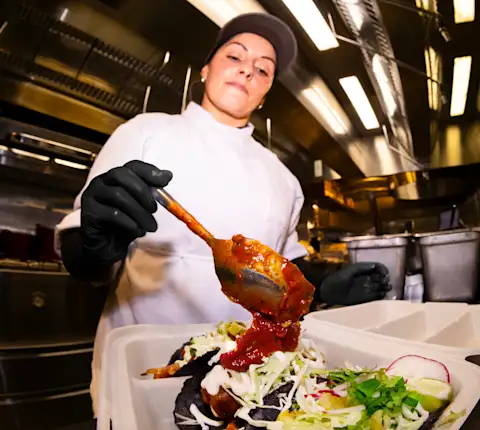
Timing matters, too. Prepare allergen-free orders first, before surfaces and tools touch other ingredients. Have cooks wash their hands and change gloves before starting an allergy order. Mark allergy tickets clearly so the whole line knows to take extra care.
Train staff to ask about and answer diet questions. Knowing how to ask about dietary restrictions helps staff guide diners toward safe choices. Train servers to ask about dietary restrictions when taking drink or appetizer orders. Require staff to double-check ingredients with line cooks whenever a customer asks.
Make confirmation a habit, not a guess. Instruct team members to confirm recipe details before answering allergy questions. If no one knows for sure, staff should say so and suggest a safer dish. An honest "I'm not certain" protects guests better than a confident wrong answer. An allergen matrix, which is a simple chart showing which of the nine major allergens each dish contains, gives staff a fast, reliable reference during busy shifts.
Label your menu clearly. Clear in-house labeling helps diners choose dishes without asking long questions. Tag print menus with icons or short tags like "GF" for gluten-free, "V" for vegetarian, or "contains nuts." Add a short legend at the bottom of print menus explaining each icon.
Match your website tags to your in-house labeling so online diners see identical information. Update every label whenever a recipe or supplier changes. A new brand of sauce can add an allergen overnight, so build label checks into your menu update routine.
Protect orders after they leave the kitchen. Takeout and delivery orders need the same care as dine-in plates. Pack allergen-free items in separate, sealed containers so sauces and crumbs can't mix in the bag. Label each container clearly, like "gluten-free" or "no nuts," so the guest knows which dish is theirs. A final ticket check before sealing the bag catches mistakes before they reach a guest's door.
Reach More Customers with DoorDash Marketplace menu item labeling
Diners search delivery apps for dishes that match their specific diets. Tagging your digital menu lets customers filter search results for vegan options or gluten-free meals. If your menu items aren't tagged, hungry guests might scroll past your listing.
The Merchant Portal — the online dashboard where you manage your DoorDash store — lets you add menu item labels. These labels, like "vegan," "gluten-free," or "spicy," describe key attributes of each dish. Labeled items can appear in filters for customers on DoorDash Marketplace, the app where diners discover and order from local restaurants.
You can manage labels in the Food labels section of the Menu Manager. DoorDash may suggest labels for your items, but sensitive labels like "gluten-free" or "vegan" need your approval first. That review step keeps you in control, so only confirm labels your kitchen can truly deliver on. Apply the same care you use for in-house menus, and update labels whenever recipes change.
Detailed descriptions work alongside dietary tags to build customer confidence. Adding menu item descriptions to at least half a menu can increase sales by over 6% on average (based on an internal DoorDash analysis of SMB merchants adding merchant-written descriptions to at least 50% of menu items, 2023–2025). Listing ingredients clearly helps dietary-restricted guests order without hesitation.
Grow Your Restaurant with DoorDash Marketplace
Guests who can't tell if a dish fits their diet often order somewhere else. Clear menu labels remove that doubt for diners searching for safe options. DoorDash Marketplace can help new customers who filter for dietary choices discover your menu. Put your allergen-smart menu in front of more local diners and turn careful prep into new orders.
Get Started with DoorDash Marketplace
Frequently Asked Questions
What is the difference between a food allergy and a food intolerance?
A food allergy involves the immune system and can cause life-threatening allergic reactions. A food intolerance affects the digestive system and causes discomfort without triggering an immune response.
What are the most common dietary restrictions?
Common dietary restrictions include food allergies like nuts, shellfish, dairy, eggs, and soy, plus gluten-free needs. Many guests also follow vegetarian, vegan, halal, kosher, pescatarian, paleo, or keto diets. Allergies carry the highest risk, so they deserve the strictest kitchen protocols.
What are the nine major food allergens?
The FDA regulates nine major allergens: milk, eggs, fish, crustacean shellfish, tree nuts, peanuts, wheat, soybeans, and sesame. Sesame became the ninth major allergen on January 1, 2023, under the FASTER Act.
Do restaurants have to disclose allergens on the menu?
Under FDA Food Code guidance, restaurants should provide written or verbal notification of major allergens. State and local requirements vary, so check with your local health department or an attorney.
How do I label my DoorDash menu for dietary restrictions?
You can add menu item labels like vegan or gluten-free in the Food labels section of the Menu Manager in the Merchant Portal. Sensitive labels need your approval before they're used in customer filters. Adding detailed item descriptions also helps guests find options that fit their dietary needs.
What's the safest way to prevent cross-contact in a small kitchen?
If you don't have room for extra prep stations, use color-coded cutting boards and dedicated utensils for allergen-free prep. Prepare allergy orders first, clean work surfaces between orders, and use separate fryer oil for gluten-free items.