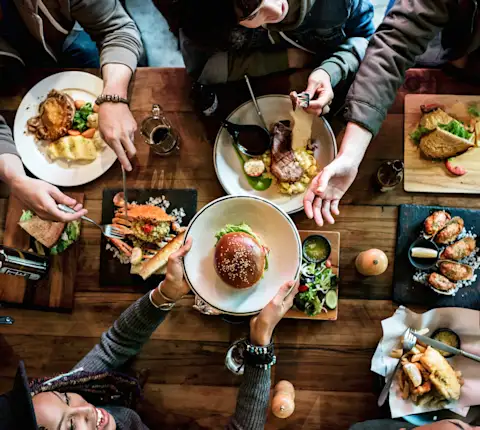
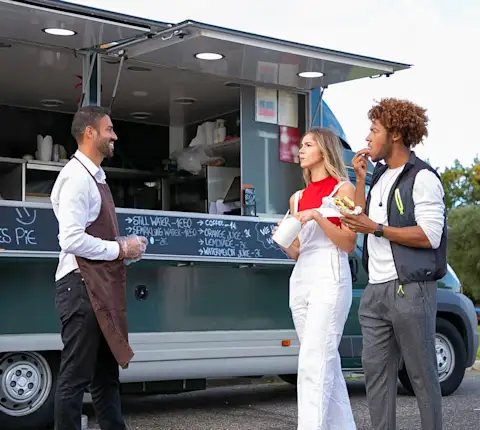
A gastropub is a public house (pub) that serves high-quality food alongside craft beer, wine, and cocktails. It blends the casual vibe of a regular pub with cooking you'd expect from a sit-down restaurant.
The gastropub meaning traces back to 1991 London, and has since spread well beyond the UK. This guide explains where the name came from and what sets gastropub food and drinks apart. You'll also see how gastropubs compare to traditional pubs, plus tips for bringing the concept to your own restaurant.
Quick answer: what is a gastropub?
A gastropub is a pub that pairs a relaxed bar setting with restaurant-quality cooking.
Menus swap basic pub grub for chef-driven comfort food, often made with seasonal ingredients.
Craft beer, wine, and cocktails receive the same care as the food.
The feel is casual dining, so guests can stop in for a pint or stay for a full meal.
There's no official rulebook, so each venue interprets the concept in its own way.
Where did the word "gastropub" come from?
The story starts in January 1991 at The Eagle, a pub in the Clerkenwell area of London. Mike Belben, a former restaurant manager, and chef David Eyre took it over and began serving restaurant-quality meals without the formality of fine dining.
At the time, most British pubs were drinking establishments first. Food, if offered at all, tended to be simple, like ploughman's lunches (a cold plate of bread, cheese, and pickles).
The word "gastropub" came a few years later, credited to a London food critic. It combines "gastronomy," the art of preparing and enjoying good food, with "pub," short for public house. The Eagle's approach left a lasting mark on British pub culture, and restaurateurs far beyond London went on to adopt it.
What makes a restaurant a gastropub?
Three features define a gastropub: the food, the drinks, and the atmosphere.
The food: chef-driven, seasonal menus
A regular pub menu often centers on fried snacks and simple plates. Gastropub kitchens employ trained chefs who cook familiar British classics with more skill and better ingredients.
Many gastropub menus build on dishes like:
Fish and chips with fresh fish and house-made tartar sauce
Shepherd's pie with slow-cooked lamb and a mashed potato topping
A Sunday roast with roast beef, Yorkshire pudding, and seasonal vegetables
Desserts like sticky toffee pudding with warm toffee sauce
Many menus also offer starters and small plates to share over drinks. Chefs often change dishes with the seasons and cook with locally sourced ingredients from nearby farms and producers.
The drinks: craft beer, wine & cocktails
Gastropub owners plan the drinks list with as much thought as the food. Many pour craft beer from local and independent breweries, including IPAs (India pale ales), stouts, and seasonal releases.
Owners often keep the wine list short and pick bottles that pair well with the menu. Bartenders mix cocktails with fresh juices and house-made syrups, and staff can often suggest a drink to match each dish.
The vibe: casual setting, elevated details
A gastropub keeps the comfort of a neighborhood pub, with wooden tables, cozy booths, and a bar for guests who want to sit with a pint. What changes is the level of detail. Plates come out well presented, glassware suits each drink, and staff often provide table service. Some venues also host live music, while others keep the focus on food and conversation.
Gastropub vs. regular pub vs. restobar: what's the difference?
All three serve food and drinks, so the lines can blur. Here's how they compare side by side.
Feature | Gastropub | Regular pub | Restobar |
|---|---|---|---|
Roots | British pub tradition, starting in 1991 | The traditional public house | A blend of "restaurant" and "bar," with no tie to pub tradition |
Food | Chef-driven comfort food with seasonal ingredients | Simple pub grub, if any | A full restaurant menu, with styles that vary by venue |
Drinks | Craft beer, curated wine, and house-made cocktails | Mainstream beers on tap, plus basic spirits and mixed drinks | A full bar, with styles that vary by venue |
Atmosphere | Relaxed pub setting with more polished service | Informal neighborhood spot for socializing | Varies widely by venue |
Main draw | Food and drinks in equal measure | Drinks and company | Dining and drinking in one space |
"Restobar" is a loose label, and the term is more common outside the US. The clearest difference is heritage: a gastropub builds on pub culture, while a restobar can take almost any form.
Why gastropubs keep growing in popularity
The gastropub may have started as a 1990s London idea, but the concept lines up closely with where restaurant menus are heading in 2026.
Comfort and nostalgia rank as the top trends in the National Restaurant Association's 2026 What's Hot Culinary Forecast, based on input from nearly 300 professional chefs and industry operators surveyed in October 2025. Restaurants plan to meet diner demand for comfort by reimagining classic dishes, and gastropub menus have followed that approach since the start.
Two other trends from the forecast suit the concept too:
Local sourcing: restaurants are strengthening community ties by featuring ingredients from nearby farms and producers. Gastropubs that already cook with seasonal, local produce fit right in.
Value: operators are balancing creativity and cost to keep meals affordable for price-conscious diners. A gastropub often sits in that middle ground, with more ambitious cooking than a regular pub but without fine-dining prices.
Bringing a gastropub concept to your restaurant
Two practical questions come up once you've settled on the concept: will the menu work for delivery, and how will new diners find you?
Build a menu that travels well off-premise
Off-premise orders (delivery and takeout eaten outside your restaurant) come with their own challenges. Some pub classics travel well, while others lose quality on the way. A shepherd's pie can arrive close to how it left the kitchen. Fish and chips is trickier, since steam trapped in a closed container can soften the batter.
A few habits can help protect your dishes:
Vent containers for fried items so steam can escape.
Pack hot dishes separately from cold sides and sauces.
Choose packaging built for each type of dish, DoorDash's food delivery packaging tips can help you match the right container to every item.
Order a test run of each item and check it after a typical delivery time.
Your drinks list can travel too. Offering alcohol delivery lets guests pair a craft beer or bottle of wine with their meal at home. Sealed cans and bottles are the simplest option, while cocktails to go may face stricter rules. Laws vary by state and city, so review the basics of managing off-premise food and alcohol operations before adding drinks to delivery orders.
Get your concept in front of new local diners
Whether you're opening a gastropub or reworking your current menu, new diners need a way to discover you. Strong photos help people browsing online see the care behind each dish. A few menu photography tips, like shooting in natural light and keeping backgrounds simple, can help your seasonal dishes and craft drinks stand out.
Descriptions help too. Name key ingredients, such as local cheeses or seasonal produce, so diners know what sets each dish apart. And when your menu changes with the seasons, update your online listings to match.
Ready to bring your concept to more diners?
You've built a menu around seasonal cooking and a carefully considered drinks list. The next step is helping more local diners find it.
DoorDash Marketplace, the DoorDash app where customers browse and order from local businesses, can help new customers discover your gastropub-style menu. Diners looking for something new nearby can see your dishes and photos, then place an order, with delivery by Dashers through DoorDash.
Get Started with DoorDash Marketplace