When was the last time you went to or ordered from a restaurant without reading online reviews? Probably a while, since 87% of consumers read online reviews of local businesses, with restaurant diners at the top of the list. That means gathering customer feedback is vital for any modern restaurant.
Case in point: The vast majority of customers (79%, to be exact — and the number jumps to 91% for 18-34 year-olds) trust online review sites as much as personal recommendations from family or friends. When customers are empowered to get opinions from hundreds — or even thousands — of trusted advisors at the click of a button, your business can thrive.
But when you’re busy running a restaurant, how can you get feedback from customers — and, even more importantly, make changes based on their responses? In this article, we’ll share a few quick tips for soliciting customer reviews and implementing their feedback for faster growth.
Benefits of customer feedback
Knowing that many people liked a restaurant so much that they went home to write a review about it speaks wonders to the quality of the food, atmosphere, and safety. Both customers and search algorithms pick up on this. The more reviews you have on sites like Google, Yelp, TripAdvisor, and OpenTable, the better your restaurant will fare in search results, bringing you more visibility and sales in the long run.
Customer feedback is crucial for long-term growth, but it’s also a valuable tool for perfecting daily operations. Showing guests that you take their experiences into consideration when planning menus, training staff, and making operational improvements creates a loyal customer base who will want to encourage others to visit.
As an operator, it’s always great to receive positive customer feedback and create a celebratory moment for the front- and back-of-house teams. It shows that customers appreciate all the hard work you’re putting in to create a welcoming, delicious experience — and that you’re doing your job well.
But while positive feedback is rewarding, constructive feedback is perhaps more valuable, allowing you to focus on areas of improvement. Considering your customers’ insights and perspectives can enable you to develop relevant staff training programs and improve operations where you need it most, leading to a smoother experience later on for your customers and employees. And, in instances where a customer is left feeling dissatisfied, reviews give you the opportunity to respond directly and remedy the situation.
How to get valuable customer feedback
Some customers make a habit out of reviewing every restaurant they go to without being asked. But showing customers you’re actively seeking feedback and genuinely want to hear about their experience goes a long way in boosting the number of reviews you receive. In fact, 80% of customers who are asked to write a review say they do so.
Whether you talk to them about it personally while they’re enjoying a meal at your bar or send them email surveys afterward, the best way to get the intel you're after is simple: just ask. Here are seven tips on the best ways to encourage customers to share their experiences with you online.
1. Claim your business listings online
The first thing guests often do when looking for a restaurant to visit or order from is search for it online. Take the initiative to optimize your business listing on sites like Google, Yelp, TripAdvisor, and OpenTable — all of which are powerful contributors to your restaurant’s SEO ranking.
Regularly updating your listings ensures that guests can easily access current information about your restaurant’s hours, contact information, and menus. What’s more, you can also post eye-catching photos of your food to entice guests through your door. It’s a win-win: claiming your business brings legitimacy to your restaurant by providing a polished, cohesive way for customers to see existing reviews, while boosting your ranking in searches.
2. Encourage online reviews — then create a response strategy
Word-of-mouth is powerful — but translating raves from loyal guests to online reviews is better. Encourage your dine-in guests and delivery customers to write reviews for you, whether by asking them directly or in one of the indirect ways below. When you ask, make sure to give them a reason for leaving a review, like, “We’re hoping to attract new customers, and online reviews really help with that.” Soon, you’ll be the talk of the town.
Since you’re likely to get reviews from this solicitation, make sure you and your team have a response plan in place. Constantly monitor reviews across the major ratings sites, and if someone leaves a negative review, have a solution ready. Many guests who offer feedback (positive and negative) want to be acknowledged with a thank you note or a follow-up message to rectify a less-than-stellar experience. Readily providing a response shows other potential customers that you care — and are listening.
3. Cultivate a loyal following on social media
The easiest way to get people to join in a conversation is to start one. And building an authentic community on social media is the ultimate conversation-starter. Who wouldn’t want to comment on a mouthwatering photo of your fresh carbonara on a gloomy Monday?
When you establish open lines of dialogue with your customers, they will be more likely to interact with you and reach out with feedback. Consider sharing positive reviews on social channels to highlight great experiences people have had, and if you receive negative comments, reply swiftly with poise — and a solution.
As a bonus, if your fans already feel a connection with your restaurant via social media, they’re more likely to post positive reviews and approach you directly with constructive feedback, rather than writing a scathing review anonymously.
4. Monitor insights on the DoorDash Merchant Portal
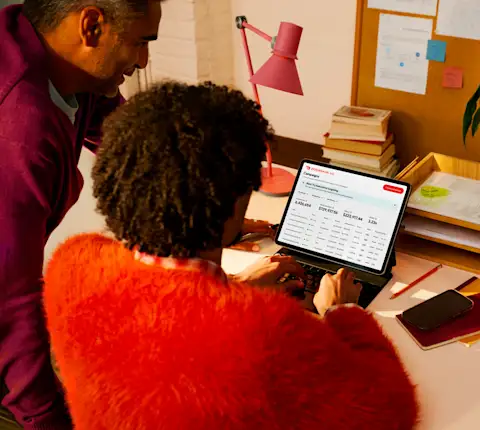
With DoorDash’s Merchant Portal, you can quickly and easily view customer feedback connected to delivery orders. This feedback cannot be seen publicly; rather, it helps you get a better sense of what you’re doing well — and where you can improve — based on customer experiences.
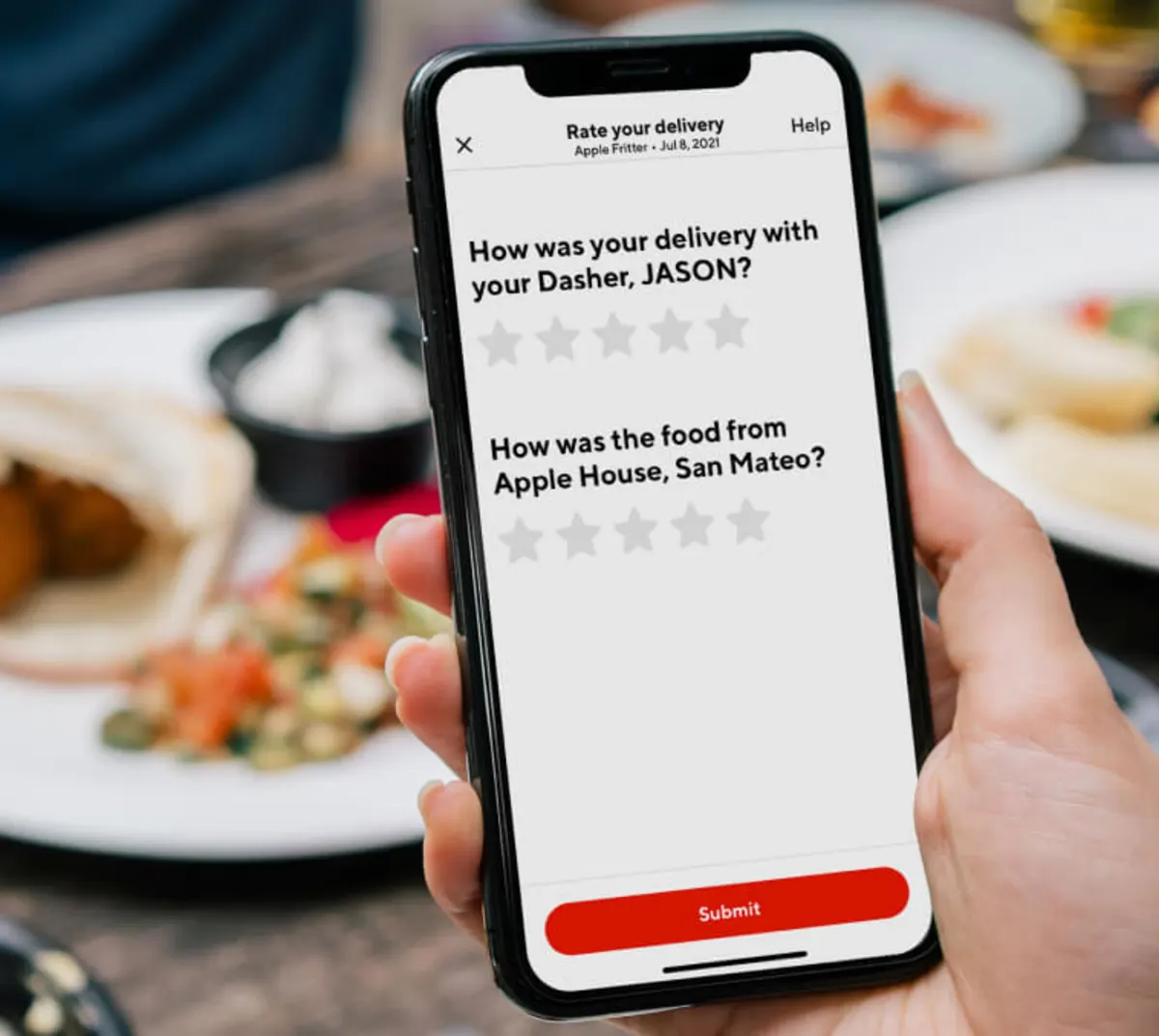
The platform allows customers to provide feedback on the menu itself, including inaccurate descriptions or photos, as well as quality of the food received. Through the DoorDash App, customers can let you know what they liked and what they didn’t through personalized messages, from the taste of the food to its temperature and freshness. As an operator, you can reply to the customer directly in the Merchant Portal using pre-made templates, or write a personalized response and perhaps even a discount offer to incentivize them to place another order.

5. Add a note to customer receipts and orders
You’re already giving customers checks at the end of their meal — why not include a note thanking them for dining with or ordering from you at the same time? A simple note at the bottom of a check or a postcard with a QR code for a survey link or review site is an easy way to request feedback right away, and shows them that their feedback is valuable. Better yet? Nudge positive feedback with, “Were you happy with your experience today? Tell us about it!”
6. Survey your email list
Leverage your existing customer base to learn what your loyal fans like most about your restaurant — and what they crave (maybe they already have a hankering for your celebrated lobster roll, well before summer starts). Short, simple email surveys are a low-cost way for you to learn more about what attracts customers, especially those who have already shown an interest in your restaurant by signing up for your email list.
As you craft your survey, consider questions that will be most impactful for your operations moving forward, like “What was your best or worst experience at our restaurant?”, “What menu items would you most like to see from us?”, and “How do you feel about the service you receive when you dine with us?” Asking questions about specific areas of the restaurant can help guide the feedback and give you a variety of insights to make meaningful, welcome changes. Follow best practices for surveys by keeping it quick and easy to complete, and offer a discount or complimentary appetizer to thank customers for taking the time to complete it.
7. Solicit feedback via text or email
If you’ve implemented digital payment methods that collect personal information, like phone numbers or emails, you can follow up with guests after they leave and ask about their experience. Keep the messages short and sweet, tailored to specific review sites or survey links: “Hi James, Thanks for joining us today at ABC Grill. We’d love it if you could take a moment to leave us a review on Google. Here’s the link. Have a great day!”
Getting customer feedback is key for restaurants
Asking customers for feedback shows them that you value their input and are actively monitoring reviews to inform your operations and guest relations, thus achieving greater loyalty.
Encouraging online reviews and customer feedback is only one aspect of a dynamic marketing strategy. To get the exclusive benefits of the DoorDash Merchant Portal, sign up with DoorDash today.