Today's loyalty programs go far beyond occasional discounts and punch cards — they're strategic tools for building lasting customer relationships. In 2025, the most effective programs are powered by smart tech, shaped by customer values, and designed to stand out in a crowded market.
Here's how businesses can build restaurant loyalty programs that deliver, without adding more to their plate.
Focus on what your customers truly value
Today's diners feed their values as much as their appetites. Whether it's sustainability, community involvement, or cost savings, aligning your restaurant loyalty system with what matters to your guests can deepen relationships and build long-term trust. Think of it as a two-for-one deal.
Sustainability perks: Offer rewards when guests bring reusable containers, opt out of single-use utensils for delivery, or order plant-based menu items.
Community give-back rewards: Let customers donate their points to local nonprofits, or match their rewards with contributions to food banks, shelters, or school programs.
Budget-friendly incentives: In today's uncertain economy, guests are watching their wallets. Reward loyalty with discounts, buy one-get one items, or exclusive deals that make dining out feel like a good value — not a splurge.

"We did a BOGO [buy one get one] margherita pizza promotion that absolutely crushed it."
Make personalization your secret ingredient
Like a great pizza, the best loyalty systems are custom-made. With tools that tap into customer data like ordering habits and favorite menu items, restaurants can create tailored incentives that truly resonate with each guest.
Personalized restaurant loyalty programs may reward regulars with a free or discounted version of their most-ordered item, or offer a surprise dessert on their birthday. These thoughtful, relevant touches make customers feel seen and appreciated, driving deeper, long-term loyalty far better than a one-topping-fits-all approach.
Embrace smart tech to strengthen loyalty
Smart technology is transforming how restaurants engage and retain their customers, making loyalty programs more efficient, personalized, and impactful.
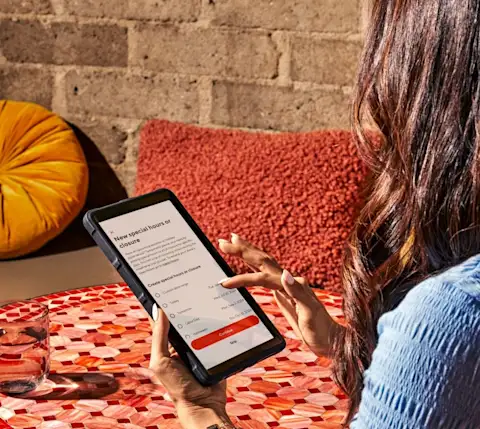
DoorDash offers restaurant partners AI-powered menu tools that enhance item descriptions and photos to increase visibility and drive sales. With the right technology tools in place, restaurants can better understand their guests, deliver targeted promotions, and capture valuable feedback — all of which deepen engagement and foster long-term loyalty.
Plus, DoorDash Store Loyalty and Promotions make it simple for busy merchants to launch and manage restaurant loyalty programs in-app. Whether you're offering discounts to new guests or rewarding your most loyal customers, these built-in tools are designed to drive long-term value (without the extra work).
Build for flexibility, not just frequency
Traditional loyalty programs often reward frequency, like a free item after every 10th visit. And while that tactic holds up, today's diners expect more variety, personalization, and value.
Think beyond the punch card: use tiered rewards to engage guests at every stage of the customer journey, and rotate seasonal offers to keep things fresh and exciting. Here's how this can look in action:
Tiered perks:
Bronze: $5 off your next order after 5 orders
Silver: Priority access to limited-time menu items after 10 orders
Gold: VIP discounts and invites to exclusive tasting events after 20 orders
Seasonal promotions:
Summer smoothie punch cards
Winter warm-up deals on comfort foods
Holiday-themed bonuses for ordering festive menu items
Built-in flexibility allows you to continuously refine your program, whether optimizing based on performance data, guest feedback, or evolving business goals. The result? A dynamic loyalty experience that stays relevant and rewarding over time.
DoorDash Store Loyalty overview
DoorDash Store Loyalty helps merchants drive repeat orders and increase customer engagement at no additional fees or commissions. The best part? How and when you reward your customers is completely up to you.
Here's how it works:
Customize your program: Choose the reward you'd like to offer customers and the spend amount required to receive it (e.g., $4 off after spending $40 or more).
Customers earn rewards: Customers see your loyalty program details on your DoorDash store page and automatically earn rewards by placing orders.
Monitor success: Track your program's performance over time in the Merchant Portal to gauge success.
Take it from Brandon Gillis, chef and co-owner at Fiorella, whose monthly active customers increased by 139% with Store Loyalty, and had a 23% higher average order value than non-Loyalty customers.
"It took some time, and we pay for the cost of acquisition, but we now know that if we can acquire customers on DoorDash and get them into our loyalty program, it's going to have a big effect on repeat business."
Fiorella also leverages a variety of promotions to drive sales and acquire customers on DoorDash. Since November 2024, their First Order, $0 Delivery Fee discount has resulted in 2,688 new customers, $145,000 in sales, and a quarter of their new DoorDash customers coming back for more
Build loyalty that lasts
The restaurant loyalty programs that keep people coming back are customer-first, embrace technology, and reflect what matters most to their community.