The ghost kitchen industry is no longer a pandemic experiment. By 2026, the global ghost kitchen market is valued at approximately $99.3 billion and is projected to reach $223 billion by 2033, according to Coherent Market Insights. For restaurant owners, that growth represents a real opportunity: lower overhead, faster scalability, and a delivery-first model built for how customers order today.
If you are already considering the delivery-only path, our guide on delivery-only restaurants is a great companion read.
What Is a Ghost Kitchen?
A ghost kitchen, also called a dark kitchen, is a professional food preparation facility dedicated entirely to fulfilling delivery orders. There is no dining room, no waitstaff, no storefront, and no walk-in customers. Just a fully equipped commercial kitchen, a focused team, and a stream of online orders.
What makes ghost kitchens different from traditional restaurants is not just the absence of a dining room. It is the entire operating model. Without front-of-house costs, expensive real estate in high-foot-traffic areas, or the overhead of hosting guests, ghost kitchens can launch faster, scale more easily, and run leaner than any brick-and-mortar concept.
Ghost kitchens are sometimes confused with virtual restaurants or virtual brands. These terms are related but not interchangeable, and the distinction matters when you are deciding which model to pursue.
How Does a Ghost Kitchen Work?
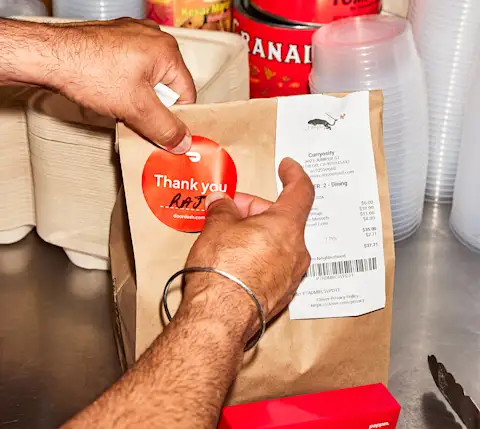
A ghost kitchen runs on a digital-first workflow. Orders come in through delivery platforms, the kitchen prepares and packages them, and a Dasher picks them up through DoorDash. The customer never visits; your brand exists entirely through the screen.
In 2026, success depends on a unified technology stack. Your menu, hours, and pricing should sync automatically across every channel the moment you make a change: your DoorDash Marketplace listing, your direct ordering website, and any other platform you operate on. Manual updates across multiple platforms are a recipe for errors and lost orders.
Ghost kitchens often operate multiple brands from a single location—each with its own menu, branding, and customer base. Some operators run 3, 5, or even 10+ different restaurant concepts out of one kitchen, maximizing the space and reaching different customer segments. That means your menu and pricing need to stay accurate across all those brands and all the platforms they're listed on. Without automated syncing, managing this becomes nearly impossible.
Ghost kitchens can operate out of several types of facilities:
Shared commercial kitchens: Rented kitchen space shared by multiple brands. Low barrier to entry and ideal for testing a new concept with minimal risk.
Brick-and-mortar restaurant kitchens: Existing restaurants using their own kitchen during off-peak hours to run a delivery-only brand alongside their dine-in operation.
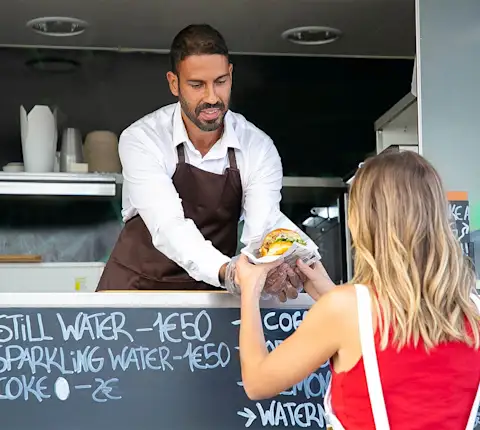
Food trucks: Mobile kitchens that pivot to delivery fulfillment in a fixed location.
Dedicated delivery-only kitchens: Purpose-built dark kitchen facilities designed exclusively for high-volume order fulfillment.
Thinking about adding delivery to your restaurant? Understanding the operational setup is the first step.
Ghost Kitchen vs. Virtual Restaurant: What's the Difference?
These two terms are often used interchangeably, but they describe different things. Getting clear on the distinction helps you choose the right model for your goals.
Ghost kitchen: The physical infrastructure. A ghost kitchen is the facility where food is prepared for delivery. It can house one brand or many.
Virtual restaurant (or virtual brand): The digital brand. A virtual restaurant is an online-only concept that exists on delivery platforms but has no physical location customers can visit. It can operate out of a ghost kitchen, a shared facility, or an existing restaurant's kitchen.
The clearest way to think about it: a ghost kitchen is the where, and a virtual restaurant is the what.
Many growth stories in 2026 come from brick-and-mortar restaurants launching virtual spin-offs. A taco restaurant adds a delivery-only wing concept. A pizza shop launches a pasta brand. They use their existing kitchen, staff, and ingredients to test a new concept without risking their main brand or adding front-of-house labor costs.
When a restaurant uses both the Marketplace + Commerce Platform combination, this becomes especially powerful. The DoorDash Marketplace gets the new virtual brand discovered by customers. The DoorDash Commerce Platform builds a direct ordering channel that keeps those customers coming back without commissions. You can also explore what a delivery-only restaurant looks like as a standalone business model.
The Economics of Ghost Kitchen Profit Margins
Traditional restaurants operate on notoriously tight margins, typically between 3% and 6%. Ghost kitchens using a Marketplace + Direct strategy can see 15% to 20% margins by eliminating the major cost drivers of traditional dining.
Here is where the savings come from:
No front-of-house labor: No servers, hosts, or bussers on payroll.
Lower rent: Shared kitchen space or off-location facilities cost a fraction of prime dining real estate.
Reduced startup capital: No furniture, dishware, or storefront buildout required.
Focused operations: A streamlined kitchen crew focused solely on order fulfillment runs more efficiently than a full restaurant team.
New entrepreneurs can expect to invest roughly $75,000 to $200,000 to get a ghost kitchen up and running, compared to $275,000 to $425,000 for a traditional brick-and-mortar restaurant. The biggest savings come from lower rent (shared kitchen space at $1,000–$3,000/month vs. prime retail at $5,000–$15,000/month), reduced equipment costs (kitchen-only setup at $15,000–$25,000 vs. $75,000+ for a full restaurant), and no front-of-house labor.
The key to protecting those margins is using two channels together. DoorDash Marketplace brings in new customers and drives order volume. As those customers come back, you move them to your direct ordering channel through the DoorDash Commerce Platform, where you pay only a small payment processing fee instead of a commission.
For a full breakdown of how margins compare across restaurant types, see our guide on profit margins for restaurant businesses.
4 Types of Ghost Kitchen Business Models
Not all ghost kitchens are built the same. Understanding the four main models helps you choose the structure that fits your goals, resources, and risk tolerance.
1. Independent/Shared Ghost Kitchens
One facility, multiple local brands. In a shared ghost kitchen, several independent operators rent space in the same commercial kitchen and run their own delivery brands. This is the most accessible entry point for new operators: low overhead, flexible lease terms, and no long-term commitment to a physical space.
Pros: Lowest startup cost, no real estate commitment, pay-as-you-go flexibility, access to established kitchen infrastructure.
Cons: Shared facility and equipment with other brands, which can limit your scheduling flexibility during peak hours. You may also have less control over kitchen layout and equipment choices.
2. Multi-Brand Ghost Kitchens
One operator, multiple concepts from a single kitchen line. A multi-brand ghost kitchen lets a single team run five or more distinct virtual brands simultaneously. Each brand has its own menu and identity on delivery platforms, but the kitchen infrastructure, staff, and supply chain are shared. This model gets more out of the same kitchen space and is a smart way to make use of the capacity you are already paying for.
Pros: Maximize revenue per square foot, share labor and inventory across brands, test new concepts with minimal risk, and diversify revenue streams from one location.
Cons: Operational complexity increases with each brand—more menus to manage, more quality control touchpoints, and a higher risk of kitchen bottlenecks during peak hours if brands aren't strategically designed to share prep and equipment.
3. Operator-Managed Ghost Kitchens
A third-party company manages the facility, and you focus on the food. DoorDash Kitchens is one example of this model, providing restaurant operators with a fully equipped, managed kitchen space so they can expand to new markets without the complexity of leasing and outfitting a facility themselves. This is ideal for established brands looking to scale into new geographies quickly and with lower operational risk.
Pros: No real estate management, no facility buildout, lower upfront capital, faster time to market, built-in delivery platform integration.
Cons: Less control over facility operations, shared space with other tenants, monthly fees typically higher than independent leases, and you're dependent on the third-party operator's service quality and reliability.
4. Virtual Spin-Off Ghost Kitchens
Traditional restaurants using their own existing kitchen to launch a delivery-only brand. This is the lowest-cost entry into the ghost kitchen space because there is no new facility to set up. Your current kitchen staff handles both dine-in service and delivery orders for the new virtual brand. It is a smart way to generate incremental revenue from your existing infrastructure, especially during slower service hours.
Pros: Zero real estate cost, use existing staff and equipment, low financial risk, can test delivery-only concepts before committing to a standalone kitchen.
Cons: Shared kitchen capacity with your dine-in operation—if both channels get busy simultaneously, service can suffer. Menu complexity increases, and kitchen staff must juggle two brands without additional labor hours.
Not all ghost kitchens are built the same. Understanding the four main models helps you choose the structure that fits your goals, resources, and risk tolerance.
How to Start a Ghost Kitchen?
Launching a ghost kitchen is faster and less expensive than opening a traditional restaurant, but it still requires careful planning. Here is a high-level step-by-step guide:
Find your kitchen space. Decide which model fits your goals: shared kitchen, dedicated dark kitchen, or your existing restaurant kitchen. Evaluate cost, location relative to your target delivery zones, and equipment availability. Compare a few options before committing to a lease or rental agreement.
Build your concept and menu. Ghost kitchens live and die by their digital presence. Design a focused menu optimized for delivery: dishes that travel well, maintain quality in transit, and photograph well for your platform listing. See our tips on keeping food hot during transport to protect the customer experience from kitchen to door.
Obtain all necessary permits and licenses. Work with your local health department and business licensing office to secure a food handler's permit, business license, and any zoning approvals required for commercial food preparation in your chosen facility.
Set up your delivery platforms. Join the DoorDash Marketplace to get your ghost kitchen in front of millions of customers. Marketplace is the fastest way to build order volume and generate reviews and ratings that make new customers trust a brand they have never heard of.
Launch your direct ordering channel. Once you have Marketplace traction, activate the DoorDash Commerce Platform to build a branded direct ordering website. This is how you convert Marketplace discovery into commission-free repeat orders and start building a customer base you own.
The #1 Secret to Ghost Kitchen Success: Use Two Channels, Not One
The most successful ghost kitchens in 2026 do not rely on a single channel. They use DoorDash Marketplace to bring in new customers, then build a direct ordering channel through the DoorDash Commerce Platform to keep them coming back without paying commissions on every order.
Here is how each piece of the flywheel works:
Marketplace gets you discovered: DoorDash Marketplace puts your ghost kitchen in front of customers who are actively looking for food. Every new order is a chance to earn a repeat customer. Strong ratings and reviews build the trust a brand-new delivery concept needs to grow.
Your direct channel protects your margins: Once a customer finds you on Marketplace, the goal is to bring them to your direct ordering site on their next order. Orders placed through the DoorDash Commerce Platform are commission-free, which means more revenue stays with you on every sale.
Loyalty programs keep customers coming back: Customers who order through both your Marketplace listing and your direct site can be enrolled in loyalty programs that reward repeat orders. This is how ghost kitchens build the kind of regular customer relationships that traditional restaurants build through in-person hospitality.
Customer data belongs to you: When customers order directly through your own channel, you own the relationship: their contact information, order history, and the ability to reach them with promotions and new menu launches. In a delivery-only business, owning that data is one of the most valuable things you can build.
Measuring Success: Beyond the Order Count
Most new ghost kitchen operators focus on total orders as their main metric. That is a starting point, but it does not tell you whether your business is actually healthy.
The metric that matters most is conversion: the percentage of Marketplace customers who place a second order through your branded direct site. This is the primary indicator of long-term health. A high conversion rate means your Integrated Flywheel is working. A low rate means customers are trying you once and not coming back, which points to food quality, packaging, delivery speed, or your direct ordering experience.
Track these metrics alongside order count:
Direct order percentage: What share of your total orders are coming through your own channel versus Marketplace? A growing direct percentage means your flywheel is gaining momentum.
Repeat customer rate: How many of your customers order more than once in a 30-day window? High repeat rates are the clearest sign of a strong brand.
Average order value: Are customers spending more per order over time? Rising average order value often signals growing customer trust and effective upselling through your menu design.
Customer acquisition cost: How much are you spending to bring in each new customer? As your direct channel grows, your acquisition cost should fall because you are spending less on commissions per repeat order.

Scale Your Concept with Marketplace + Direct
Launching a delivery-only brand is one of the fastest ways to grow a restaurant business. The most profitable ghost kitchens use a two-channel approach: Marketplace for discovery, direct ordering for margins.
Here's the logic: Marketplace puts you in front of customers actively searching for food. Once they've ordered from you and like it, a direct ordering site lets them reorder without the 15-30% commission—you pay only payment processing fees (around 3%).
You also own the customer data, so you can bring them back with email, loyalty programs, and targeted offers. And when your menu or pricing changes, syncing across both channels means you update once instead of twice.
Already on DoorDash Marketplace? You can add direct ordering in about 24 hours. But the most profitable ghost kitchens do not stop at Marketplace—they use it to drive discovery, then convert repeat customers to direct channels where margins are higher.