DoorDash Basics
Learn essential Merchant Portal features to help increase sales and overall success on DoorDash

Understanding how Marketplace Facilitators play a role in filing your taxes.
Marketplace facilitators like DoorDash connect buyers with sellers. When merchants sell goods on the DoorDash platform, they may be required to collect and remit tax on those orders. Some jurisdictions have tax laws that shift certain tax remittance responsibilities from merchants to DoorDash. These marketplace facilitator laws affect how taxes are handled on the platform and how merchants payouts are calculated. In the article below, we’ll walk through specifics on the marketplace facilitator rules, the jurisdictions they relate to, and what this means for merchant tax reporting obligations.

CHAT WITH A MARKETING SPECIALIST
Set up your marketing campaign and optimize it for performance with DoorDash's help.

How to Manage Your Store on Your DoorDash Tablet
You can use your DoorDash Tablet to manage daily store operations in real time — like adjusting store hours, updating kitchen status, managing menus, and handling orders. This guide walks through the most common tablet tasks step by step, so you can make quick updates without leaving your store.

How to Add Menu Items and Descriptions in the Merchant Portal
Everything you need to know about how to add items to your menu, edit items and options, as well as how to temporarily deactivate them.

How to Get Started on DoorDash: A Full Setup Guide
Learn how to sign your store up for DoorDash, set up your menu, activate your tablet or POS, and start receiving orders in as little as 1-5 days.
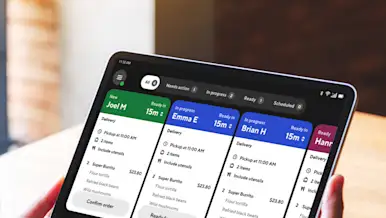
Adjusting Existing Orders in the DoorDash Tablet
You can adjust active and scheduled orders directly from your DoorDash Tablet. This includes updating pickup times, contacting customers or Dashers, managing out-of-stock items, issuing refunds or replacements, and contacting Support — all from the Live Orders screen.